

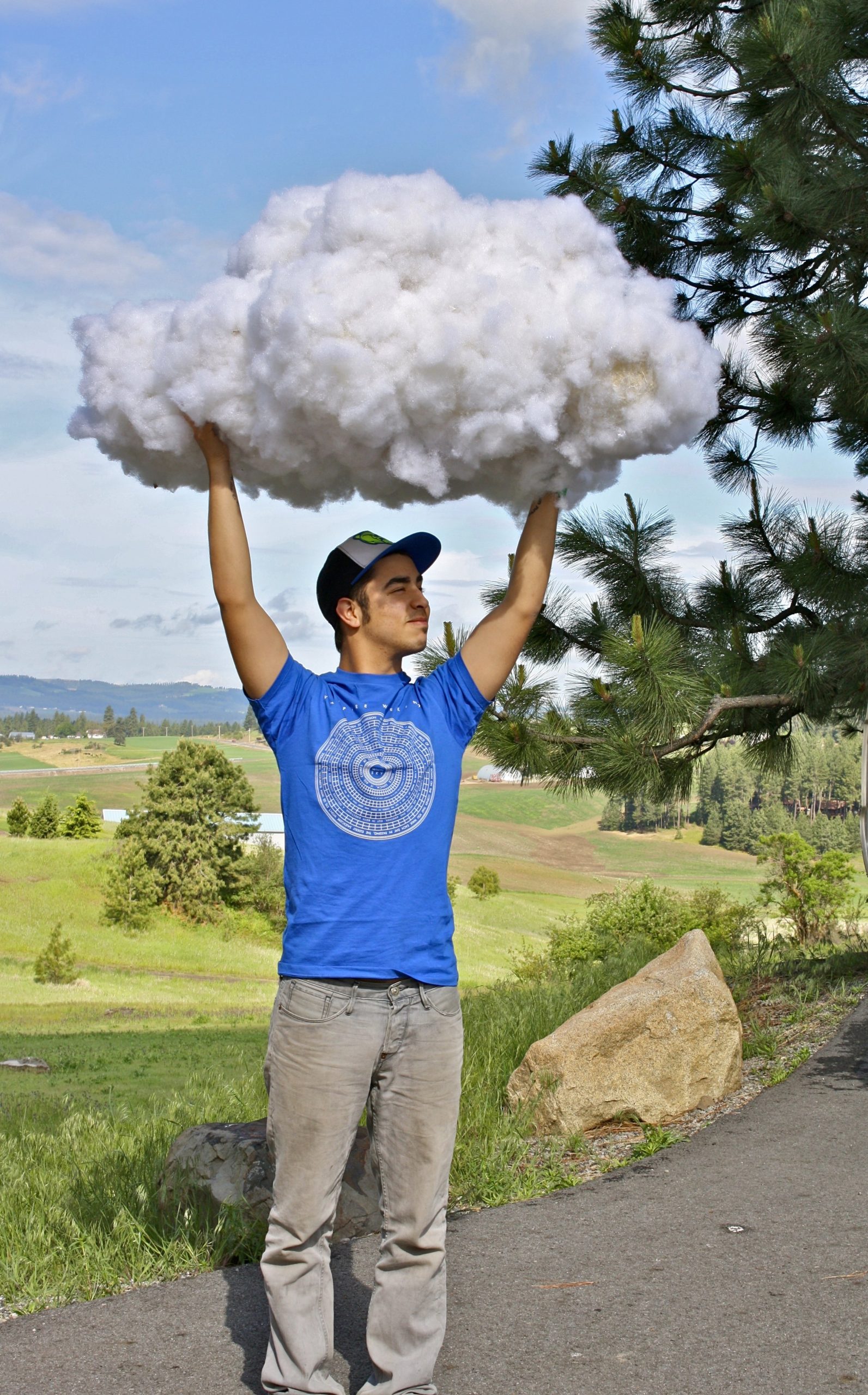
Creating your own clouds can be a mesmerizing experience. The process of making clouds involves just a few simple ingredients and a bit of creativity. To make clouds at home, all you need is a glass jar, water, matches, and ice. This hands-on activity is not only entertaining but also educational, allowing you to explore the science behind cloud formation. Let’s dive into the step-by-step guide on how to make clouds and bring a piece of the sky right into your living room.

How to Make Clouds: A Fun Guide for Kids
Welcome, young cloud enthusiasts! Have you ever looked up at the sky and wondered how those fluffy clouds are formed? In this exciting guide, we will explore the magical world of cloud-making and discover how you can make your very own clouds right at home. Get ready to embark on a journey through the skies and learn all about the science behind these amazing natural wonders!
The Science Behind Clouds
Before we dive into the fun part of making clouds, let’s learn a little bit about the science behind them. Clouds are made up of tiny water droplets or ice crystals that have gathered together in the sky. These droplets form when water vapor in the air condenses around tiny particles like dust, pollen, or smoke. As more and more droplets come together, they create the puffy shapes we see floating above us.
Materials You’ll Need
Before we get started with making our own clouds, let’s gather all the materials we will need:
- A clear glass jar or container
- Warm water
- Aerosol spray (like hairspray or air freshener)
- Ice cubes
- A match or a lighter (with adult supervision)
Making a Cloud in a Jar
Now that we have all our materials ready, it’s time to start creating our very own cloud in a jar. Follow these simple steps to witness the magic of cloud formation:
- Fill the clear glass jar about halfway with warm water. The warmer the water, the better the cloud formation!
- Spray a quick burst of aerosol spray into the jar. This will help create tiny particles for the water vapor to condense around.
- Place a few ice cubes on top of the jar to cool down the air above the water. This simulates the cooler temperatures higher up in the atmosphere where clouds form.
- Wait for a minute or two to allow the cloud to form. You should start seeing a cloud-like formation appearing in the jar!
- Now, carefully use the match or lighter (with adult supervision) to create a small flame inside the jar. Watch as the flame quickly goes out and the cloud disappears. This demonstrates how clouds can disappear when the conditions are no longer right for them to form.
Experimenting with Cloud Types
Now that you’ve successfully made a cloud in a jar, why not experiment with creating different types of clouds? Clouds come in all shapes and sizes, each with its own unique characteristics. Here are a few ideas to try out:
Cumulus Clouds
Cumulus clouds are those big, fluffy clouds that look like cotton balls in the sky. To make a cumulus cloud in your jar, try adding more warm water and using a larger container. You can also gently shake the jar to create the billowy shapes typical of cumulus clouds.
Stratus Clouds
Stratus clouds are the low, gray clouds that often bring rainy weather. To simulate a stratus cloud, use cooler water and place the ice cubes directly on top of the water. This will create a more uniform cloud layer closer to the surface of the jar.
Cirrus Clouds
Cirrus clouds are high, wispy clouds that form at high altitudes. To make a cirrus cloud, use less water in the jar and position the ice cubes higher up in the container. This will create a delicate, feathery cloud structure similar to cirrus clouds in the sky.
Exploring the Magic of Clouds
Congratulations, young cloud-makers! You have now mastered the art of creating your very own clouds. Take some time to observe the real clouds in the sky and see if you can spot any similarities to the ones you made in your jar. Clouds are not just beautiful to look at; they also tell us a lot about the weather and the world around us.
Keep experimenting, keep exploring, and most importantly, keep looking up at the sky with wonder and curiosity. Who knows, maybe one day you’ll become a real-life meteorologist or even a cloud scientist, unlocking the secrets of the sky one cloud at a time!
How To Make Clouds In Your Mouth 😨
Frequently Asked Questions
What ingredients do I need to make clouds?
To make clouds, you will need water, soap, and dry ice. The water and soap solution will form the base of the cloud, while the dry ice will create the effect of a cloud by causing condensation and vapor.
How do I create a cloud using a water, soap, and dry ice mixture?
Start by mixing water and soap in a container to create a soapy solution. Then, add small pieces of dry ice to the mixture. As the dry ice sublimates, it will cool the surrounding air, causing water vapor to condense and form a cloud-like effect.
What precautions should I take when working with dry ice to make clouds?
When handling dry ice, it is important to wear gloves to protect your skin from frostbite. Additionally, make sure to work in a well-ventilated area as dry ice sublimates into carbon dioxide gas, which can displace oxygen in poorly ventilated spaces.
Can I make clouds indoors using the water, soap, and dry ice method?
Yes, you can make clouds indoors using the water, soap, and dry ice method. However, it is important to ensure proper ventilation to prevent the buildup of carbon dioxide gas released by the sublimating dry ice.
Final Thoughts
In conclusion, making clouds is a fascinating process that can be achieved through simple ingredients and techniques. By combining hot water with ice cubes in a jar, followed by gently shaking the jar, you can create your mini cloud. Alternatively, using a humidifier and a glass container can also produce a similar effect. Experimenting with these methods can be a fun and educational activity for all ages, showcasing the science behind cloud formation. So, next time you wonder how to make clouds, give these methods a try and watch your cloud come to life.