
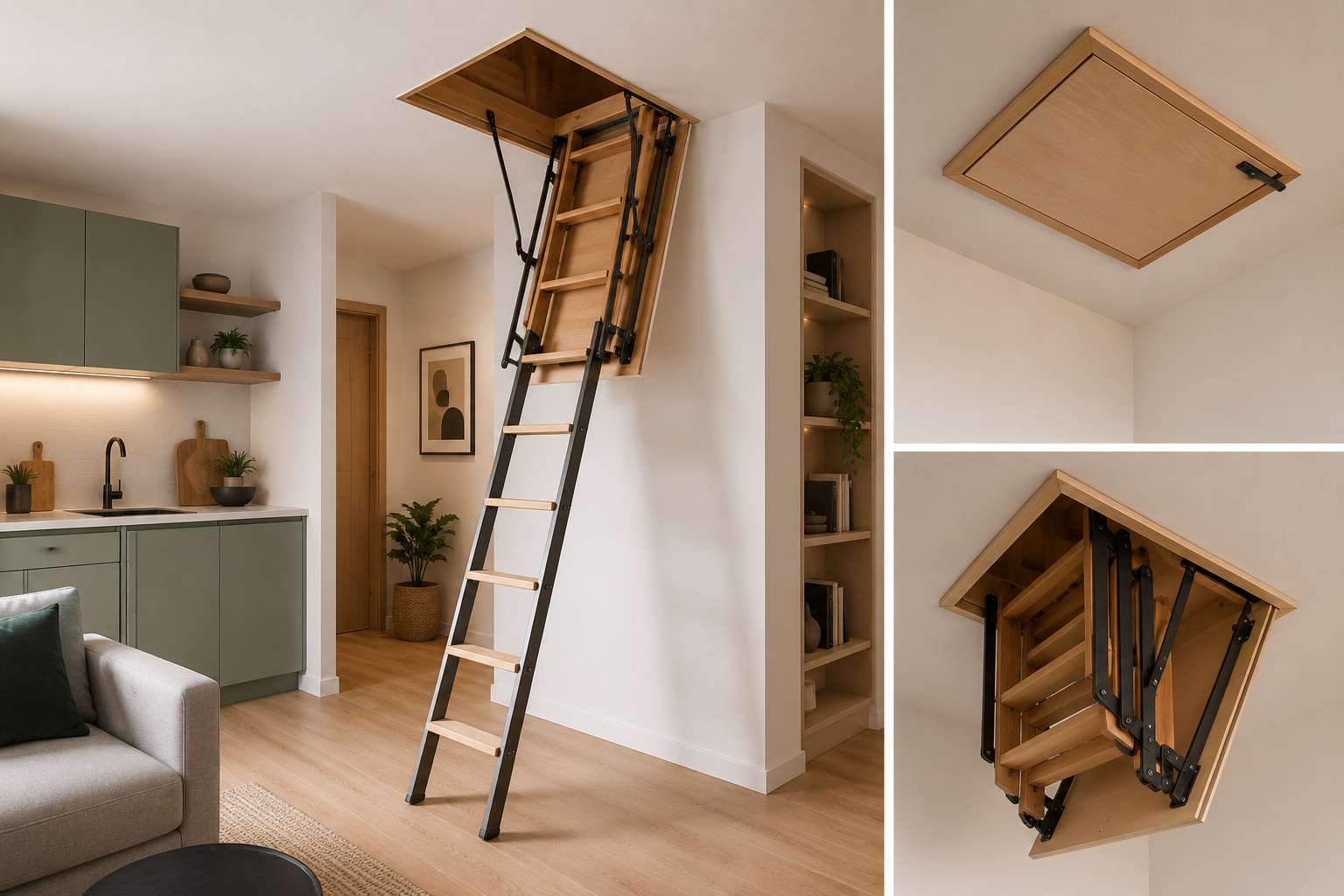
The demand for space-efficient home solutions has grown rapidly as urban living continues to evolve, making attic access more important than ever. Homeowners are increasingly focusing on designs that combine safety, durability, and cost-effectiveness, especially when upgrading interior storage access systems. Among these essential upgrades, the integration of a well-designed Loft Ladder has become a practical solution for maximizing unused overhead space while maintaining structural convenience and aesthetic appeal. With rising construction costs and a growing interest in DIY home improvements, people are now prioritizing smart investments that deliver long-term value without exceeding budgets. This shift has led to a noticeable increase in demand for affordable yet high-quality loft access systems that meet safety standards while enhancing usability and home organization efficiency.
Top Trending Insights in Modern Loft Access Solutions
Recent home improvement statistics indicate that over 62% of homeowners consider attic accessibility a key factor during renovation planning. Energy-efficient and space-saving designs are now leading the trend, with foldable and telescopic mechanisms gaining significant popularity. Lightweight aluminum structures and insulated hatch systems are also being widely adopted due to their durability and thermal efficiency benefits.
Another major trend is the rise of pre-assembled and easy-install designs, which reduce labor costs by nearly 35% compared to traditional installations. Homeowners are also prioritizing products that require minimal maintenance while offering long-term structural integrity. Additionally, safety-focused innovations such as anti-slip steps and reinforced locking systems are becoming standard expectations rather than premium features.
The market is also seeing a shift toward minimalist home design integration, where loft access points are designed to blend seamlessly with ceilings and interior décor. This reflects a broader consumer preference for functional yet visually discreet home improvement solutions.
Key Benefits Driving Adoption of Affordable Loft Access Systems
One of the primary reasons for the increasing popularity of cost-effective loft solutions is the balance between affordability and performance. Modern manufacturing techniques now allow for high-strength materials to be produced at lower costs, making quality access systems accessible to a wider audience.
Another important advantage is improved energy efficiency. Properly insulated loft access points can reduce heat loss by up to 15%, contributing to lower energy bills and improved indoor comfort. This is especially relevant in regions with extreme seasonal temperatures, where insulation plays a critical role in household energy management.
Ease of installation is another driving factor. Many homeowners now prefer systems that can be installed within a few hours without specialized tools. This has encouraged a growing DIY market, supported by simplified installation guides and modular product designs.
Safety remains a top priority as well, with modern systems engineered to support higher weight capacities while reducing the risk of slipping or structural instability. These enhancements make loft access safer for both frequent and occasional use.
Emerging Design Trends and Consumer Preferences
Design innovation is reshaping how loft access systems are perceived in modern homes. Compact folding mechanisms and slide-away ladder systems are becoming increasingly popular due to their space-saving benefits. These designs allow homeowners to maintain a clean ceiling appearance while ensuring quick and easy attic access when needed.
Material selection is also evolving. Aluminum remains a preferred choice due to its lightweight and rust-resistant properties, while wood continues to appeal to those seeking a traditional aesthetic. Hybrid models combining metal frames with wooden steps are also gaining attention for offering both strength and visual warmth.
Smart home integration is an emerging trend, with automated loft systems beginning to enter the market. These systems allow remote or sensor-based operation, offering convenience and improved accessibility for elderly users or individuals with mobility challenges.
Practical Considerations and Frequently Observed User Questions
When evaluating loft access solutions, homeowners often focus on durability, installation requirements, and long-term maintenance needs. A common consideration is load-bearing capacity, with most modern systems designed to support between 150 kg and 200 kg safely. Another important factor is ceiling height compatibility, as different models are designed for varying architectural structures.
Users also frequently prioritize insulation performance, especially in energy-conscious households. Proper sealing and insulated hatches help prevent heat loss and improve overall home efficiency. Maintenance requirements are typically minimal, with periodic checks on hinges and locking mechanisms being sufficient for long-term reliability.
In summary, affordable loft access solutions are no longer just functional additions but essential components of modern home design. With advancements in materials, safety features, and installation convenience, homeowners can now achieve a balance between cost-effectiveness and premium quality. As trends continue to evolve, the focus will remain on smarter, safer, and more efficient access systems that enhance everyday living while optimizing unused space.